
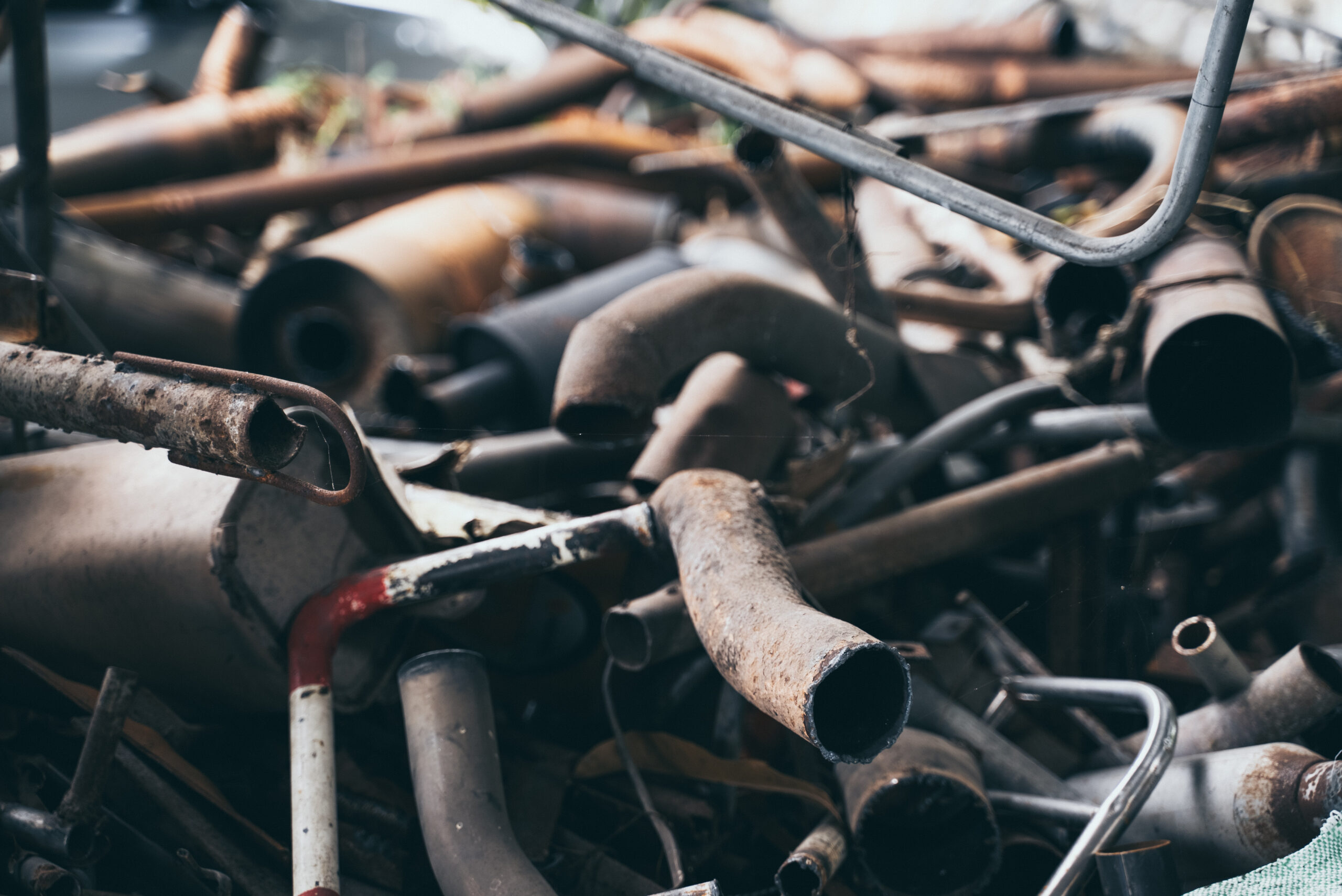
Industrial Mixed Metals Scrap
Driving the global circular economy. Processing, sorting, and exporting vast volumes of premium non-ferrous and ferrous mixed scrap—from ZORBA to ZURIK—engineered for international secondary smelting.
Reclaiming the Industrial Baseline.
SINCHI WAYRA SA sources, processes, and exports massive volumes of mixed metal scrap recovered from automotive dismantling, industrial demolition, and shredded metal recovery plants. Our materials provide a critical, sustainable baseload for secondary alloy production worldwide.
By deploying advanced magnetic, eddy current, and AI-driven optical sorting technologies, we transform raw shredded residue into highly sought-after, non-hazardous commodities. Our Super High-Grade blends are engineered specifically to meet stringent environmental regulations and guarantee rapid China Customs clearance.
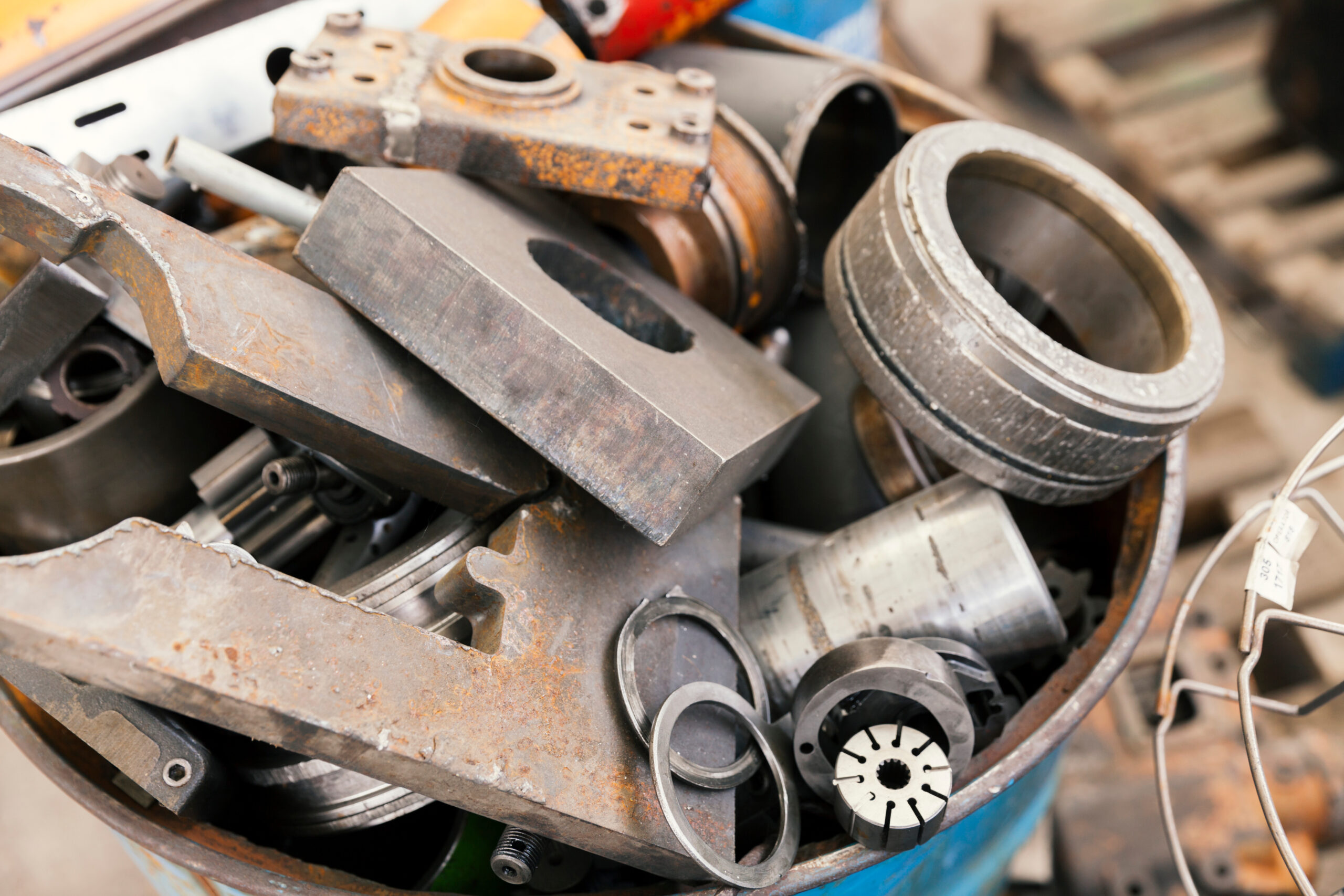
Comprehensive Scrap Classifications
1. Main Types of Mixed Metal Scrap (ISRI Standards)
| Scrap Type | ISRI / Ref Code | Main Metals |
|---|---|---|
| Zorba Scrap | ZORBA | Aluminum, copper, zinc, brass |
| Zurik Scrap | ZURIK | Stainless steel + non-ferrous mix |
| Shredder Mixed Metal | Various | Ferrous/non-ferrous blend |
| E-Scrap Mixed Metals | Various | Copper, aluminum, precious metals |
| Heavy Mixed Scrap | HMS Mix | Iron, steel, non-ferrous attachments |
| Auto Shred Residue | ASR | Mixed recovered auto metals |
2. Recovery Categories & Specs
China Customs Preferred specs for Super High-Grade.
| Component | Medium Grade | Super High Grade |
|---|---|---|
| Recoverable Metals | 50–70% | 85–95% |
| Aluminum | 10–30% | 30–60% |
| Copper | 5–15% | 15–30% |
| Brass/Bronze | 3–10% | 5–15% |
| Stainless Steel | 2–10% | 5–15% |
| Iron/Steel Content | 20–40% | ≤10% |
| Plastic/Rubber | ≤8% | ≤1% |
| Moisture / Oil | ≤8% | ≤3% / Nil |
3. Critical Penalty Elements & Rules
Strictly monitored to prevent Chinese customs rejection.
| Hazard / Element | Preferred Limit | Penalty / Risk |
|---|---|---|
| Radioactivity | Nil | Immediate Rejection |
| Medical/Hazardous Waste | Nil | Severe Customs Violation |
| Batteries / PCB | Nil | Hazardous Waste Rejection |
| Sealed Containers | Nil | Safety Risk |
| Oil / Grease | Nil | Customs Rejection |
| Plastic / Rubber | ≤1% | Environmental Violation |
Maritime Export & Packaging Standards
A. Bales & Jumbo Bags
Optimized for transport density and container efficiency.
- Compressed Bales: 500–1500 kg blocks, hydraulically compressed and secured with steel straps.
- Jumbo Bags (FIBC): 1–2 MT woven bags, utilized primarily for shredded mixed metals or granulated material.
- Loose Loading: Direct bulk loading for large volume mixed shipments.
B. Trade Classifications
Standardized coding for global transit.
- ISRI Standards: Strictly adhering to global classification codes (ZORBA, ZURIK).
- HS Codes: 72044900 (Mixed Metal Waste), 7404 / 7602 (Non-Ferrous), 72042100 (Stainless).
- Compliance: Basel Convention Rules & China Environmental Import Standards.
C. Inspection & Pre-Clearance
Executed by BQCIS, CCIC, SGS, or BV.
- Hazard Checks: Strict radiation testing, foreign material/battery inspection, non-hazardous declarations.
- Assay Verification: Material composition analysis, moisture testing.
- Container Loading: 20FT carrying 18–25 MT, requiring absolute dryness and even distribution.
Export Documentation Requirements
Commercial Invoice • Packing List • Bill of Lading • Certificate of Origin • Certificate of Analysis (COA) • Weight Certificate • Inspection Certificate • Non-Hazardous Material Declaration • Basel Convention Docs • Radiation Free Certificate.
Recovery & Processing Infrastructure
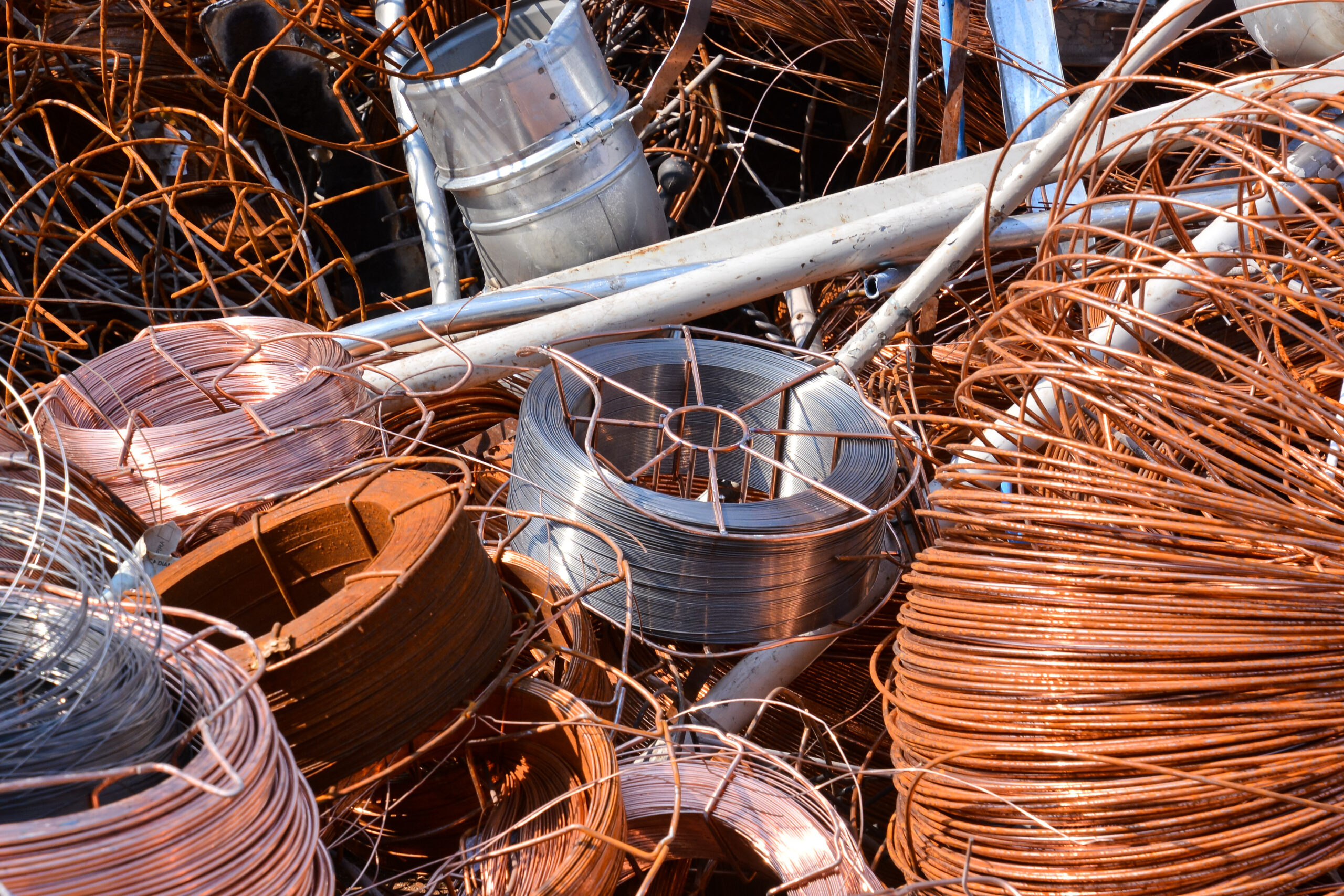
1. Advanced Scrap Sorting
Collected auto shred and demolition waste undergoes primary manual and magnetic sorting to remove heavy ferrous materials. The remaining blend is processed through industrial hammer mills, followed by high-tech eddy current, XRF, and AI optical sorting to separate aluminum, copper, brass, and stainless steel.
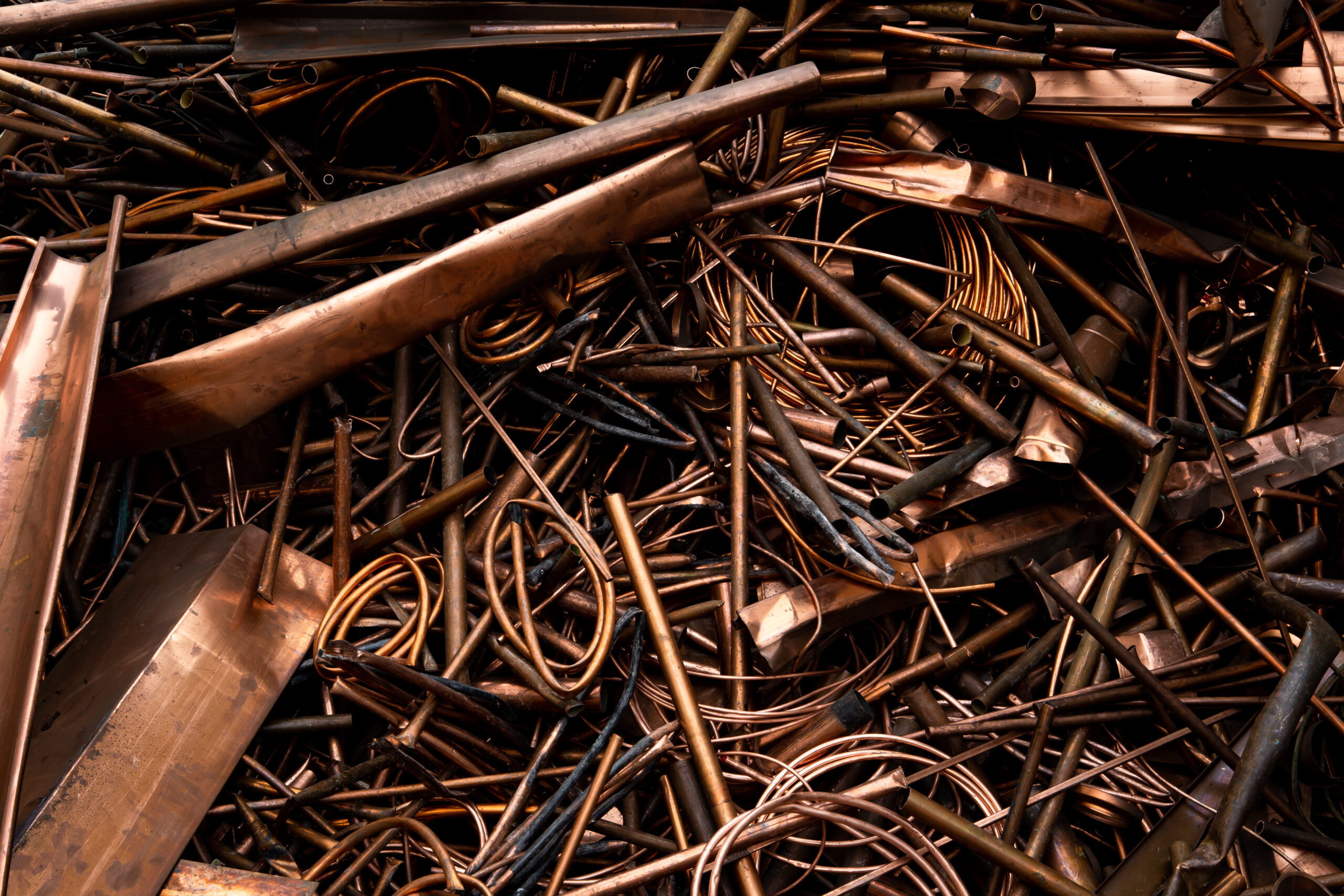
2. Downstream Metal Recovery
Our separated mixed metals act as the critical baseload for secondary smelting facilities globally, driving reactions such as:
- Aluminum Recovery: 2Al2O3 + 3C → 4Al + 3CO2
- Copper Recovery: CuO + C → Cu + CO
- Iron Recovery: Fe2O3 + 3CO → 2Fe + 3CO2
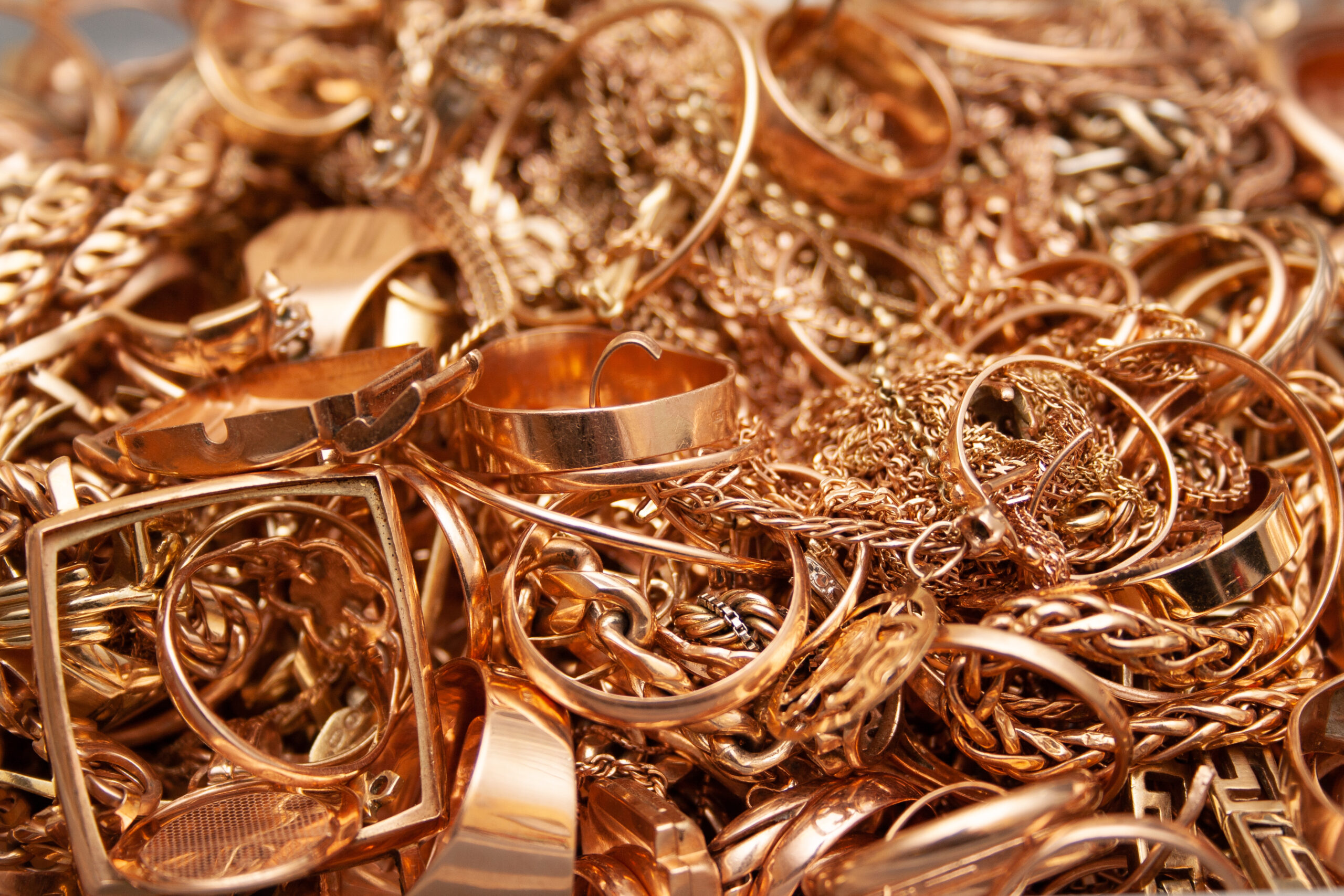
Feeding the Industrial Engine.
By transforming raw demolition and auto shred residue into highly refined, sorted mixed metals, SINCHI WAYRA SA provides a sustainable, high-yield feedstock alternative to major smelters in China, India, Malaysia, and South Korea.